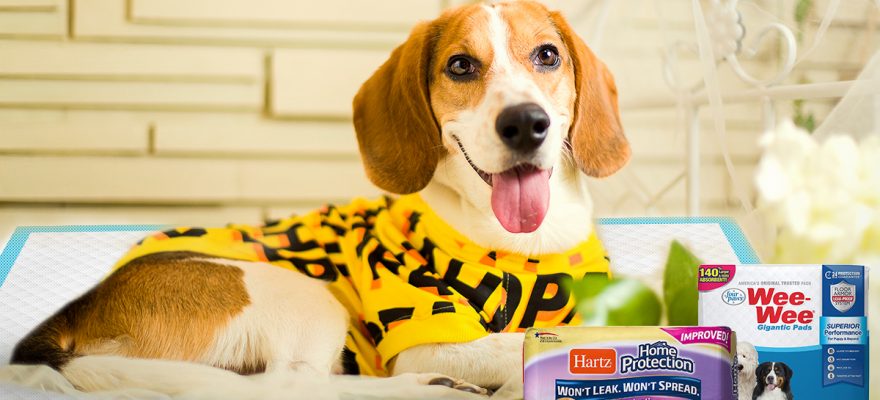
Do you have a senior dog that is starting to leak, a pet that suffers from anxieties or new puppies that you are potty training? You probably need a pee pad.
However, a quick search online will reveal hundreds of pee pads, and it can feel overwhelming to pick the right one. That’s why we are here to help.
After spending over 40 hours analyzing close to 70 different pee pads, 10 of them stood out for us. In this review, we discuss the 10 best pee pads for dogs in 2023.
Quick Recommendations
- DEEP DEER Extra Large Dog Pads – Best Overall
- AKC Pet Training and Puppy Pads – Most Absorbent
- Amazon Basics Dog Potty Training Pads – Best Budget
- All-Absorb Puppy Training Pads – Best Leak-Proof
- ASPCA Ultra Absorbent Dog Pads with Scent – Best Scented
- Bulldogology Puppy Pads with Adhesive Sticky Tape – Best With Adhesive
- Simple Solution Training Premium Dog Pee Pads – Best Odor Control
- OUT! Ultimate Pro-Grip Dog Pads for Housetraining – Best Quilted
- Hartz Home Protection Unscented Dog Pads – Best Unscented
- Four Paws Wee-Wee Pads for Dogs – Best for Large Dogs
In addition, we have a comprehensive buyer’s guide to help you pick the right choice. Keep reading to learn more.
What are Dog Pee Pads?
Dog pads are either rectangular or square layers of absorbent materials used by pet parents to sort out puppy messes. They are also known as potty pads, wee-wee pads, dog training pads, or piddle pads.
For city dwellers and people with mobility issues who cannot take their dogs to pee outside, these products can be a real lifesaver.
Why Does Your Dog Need a Pee Pad?
There are several reasons why your pup or dog might need a dog pee pad. The first reason is when your pup is just over 8 weeks old and can’t control its bladder. Using pee pads can help to keep your home clean and dry.
Additionally, these pads are a great option if your dog can’t go outside for health reasons, e.g., when your puppy hasn’t had all his vaccinations just yet.
Finally, when the weather outside is unfavorable for your dog, he can use pee pads as an indoor toilet option.
With that in mind, let’s discuss the top 10 pee pads that attract dogs.
Best Overall: DEEP DEER Extra Large Dog Pee Pads
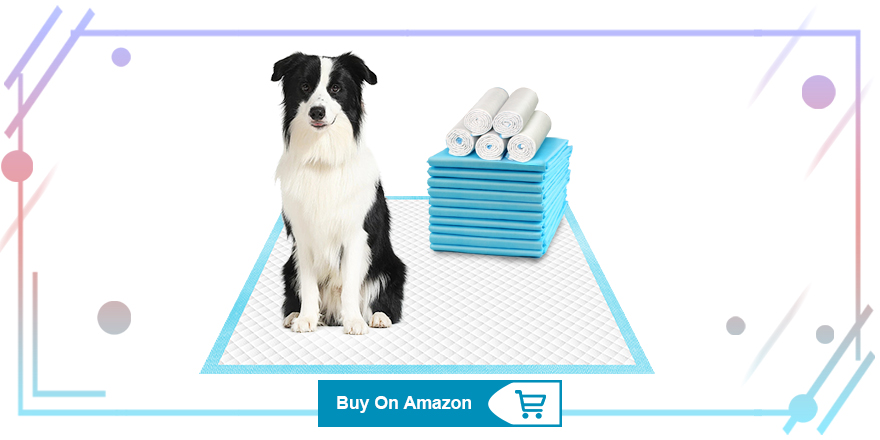
When it comes to dog pee pads, the speed of absorption is crucial. Having worked on pet products for a long time, DEEP DEAR understands this very well, and their extra-large pee pads are super absorbent. They incorporate a perforated film premium material on the pad’s top layer to speed up absorption.
The bottom layer of the pads has thick polythene film (PE film). The film makes them tear-resistant, scratch-resistant, and leak-proof, and the pads last longer. Worry not; your floors, mattresses, rugs, and sofas are protected from urine damage.
They come in extra-large sizes measuring 28″ x 34″, making them suitable for small and big dogs as well. Besides dogs, the pads are also suitable for housetraining other pets such as birds, guinea pigs, cats, rabbits, etc.
With 9 cups of liquid capacity, these potty training pads give an absolute value for money. As such, they are a good choice for even dogs with polyuria. The pads are ideal for both indoor and outdoor use.
- Super Absorbent.
- Quick-drying surface.
- Leak-proof plastic backing.
- It has 9 cups of liquid capacity.
- Quite durable and tear-resistant.
- 6-layer protection.
- Extra large size.
- New upgraded materials.
- Without adhesive tabs.
- Without scent.
Most Absorbent: American Kennel Club Pet Training and Puppy Pads
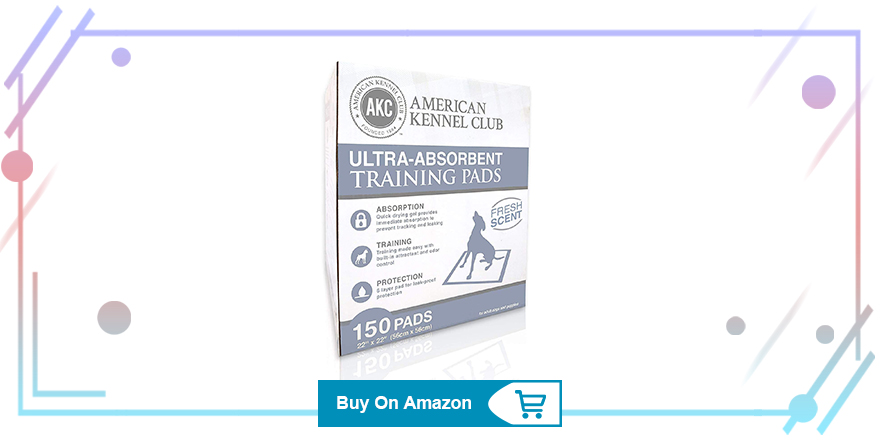
These are ideal for those looking for pee pads with a wide choice of natural scents and different designs. America Kennel Club dog pads come in regular and extra-large sizes of either 50, 100, or 150 counts. They are available in distinct scents such as fresh, lavender, lemon, and eucalyptus.
The pad’s layers are filled with carbon to give them odor-elimination properties. This makes them a good choice for use around the house. They also have anti-bacterial properties that keep your dog safe. They also have built-in attractants.
The 8 layers are effectively layered out to facilitate quick absorption. They are also thicker than most other pads available today. This makes them one of the most leak-proof pet pads you can get.
American Kennel Club dog pads’ versatility makes them multi-use. They fit most crates and kennels and can be used both indoors and outdoors. A non-skid backing layer eliminates leaking.
- Have a quick absorption construction.
- Features odor-elimination properties.
- They come in 4 different scents.
- Have anti-bacterial properties.
- Lacks a wetness indicator.
Best Budget: Amazon Basics Dog and Puppy Pads for Potty Training
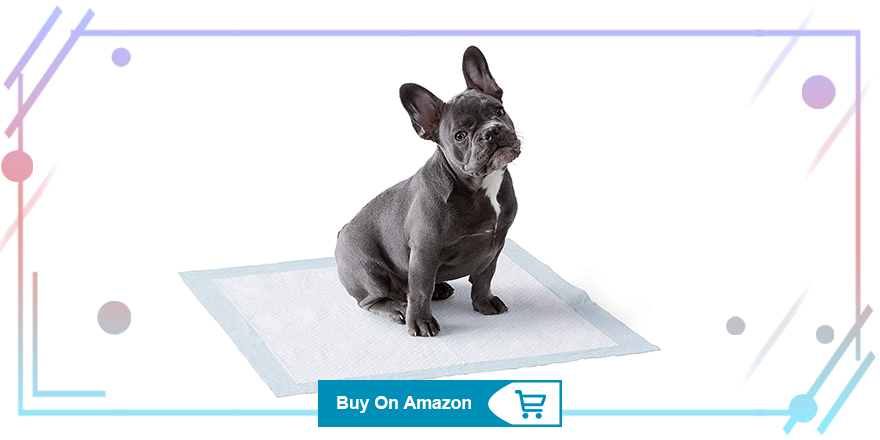
Cost is a crucial factor to consider when choosing pet pads. If you are on a tight budget, then these Amazon Basic pads for both dogs and puppies are for you. They come in between 25 to 100 counts and five sizes from regular to giant.
Amazon Basics pee pads come in 5 highly absorbent layers thanks to their high absorbency core. The core also turns liquid into gel, and a locking layer keeps the gel from moving around.
In addition, they have 1.5” plastic linings that prevent the liquids from spilling. The surge layer channels liquids towards the middle part with the absorbency core. An anti-streaming layer quickly dries the surface and locks in moisture and odor.
They have a pheromone-scented built-in attractant. This entices the dog to go pee on the pad, giving you an easier time potty training the dog.
- It comes in different counts and sizes.
- Highly absorbent.
- It prevents liquids from messing floors.
- Turns pee into the gel.
- The pad sometimes leaks.
Best Leak-Proof: All-Absorb Puppy Training Pads
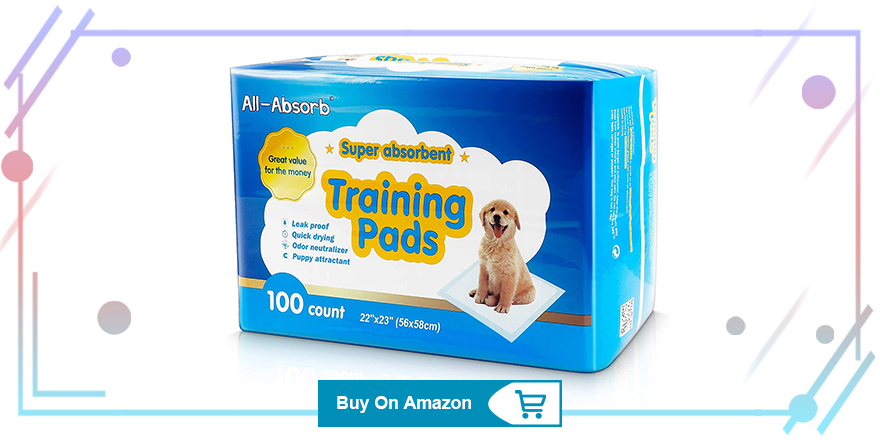
These pee pads are a good choice for house training your dog. They have a waterproof polythene layer underneath that prevents liquids from spilling onto your floors. A built-in attractant in these pads makes it easy to train the dog by drawing the dog to the pee pad.
A paper tissue layer absorbs any moisture coming from the middle layer. This tissue layer also has baking soda to neutralize odor.
Another key feature of these pee pads is the super-absorbent core. It turns the liquid into a soft gel. The middle core has a fluff pulp that aids in the conversion of the liquid.
These dog training pads’ top layers are covered with non-woven fabric that makes the pads more absorbent. The pee pad can hold up to 3 cups of liquid. This capacity is impressive and will work well with most dogs unless one has polyuria.
- Neutralize orders and has a built-in attractant.
- Have anti-spilling features.
- Turns liquid into gel.
- Are ideal for dog house training.
- They are not suitable for senior dogs.
Best Scented: ASPCA Ultra Absorbent Dog Training Pads with Scent
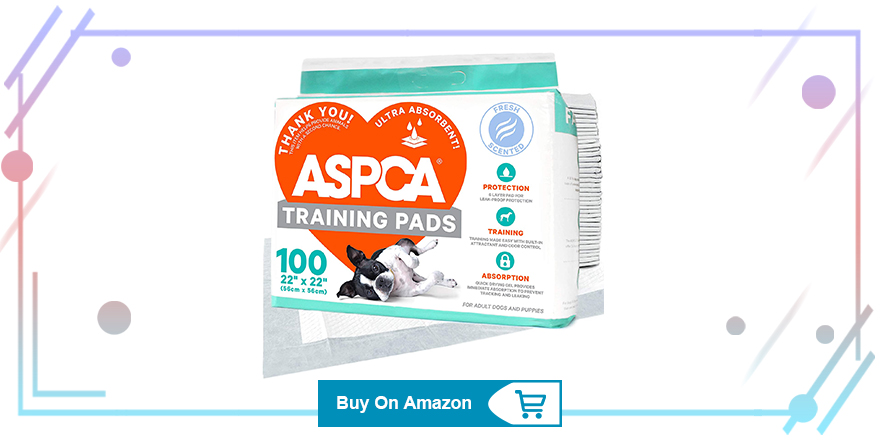
ASPCA dog pads are the relief you need if you are looking to train your dog on relieving itself. Successful training means that your dog will no longer relieve itself on your sofas, floors, or rugs.
Urine can produce a foul smell when left to sit for a few hours. The pads are available in citrus, fresh, and mountain scents. These scents ensure that your environment is odor-free from the smell associated with pet urine.
ASPCA dog pee pads come in counts of 50 and 100 to suit your budget. You can also get them in either 22″ x 22″ or 30″ x 28″.
The built-in attractant act like pheromones by enticing the dog to use the pads to potty. These 6-layered dog training pads are anti-bacterial to prevent bacteria growth on the soiled parts.
These ASPCA pet pee pads effectively track and lock moisture thanks to the fast-drying gel. They are a good choice for puppies as well as older dogs. Besides, they are easy to clean up.
- Are available in different scents.
- Ideal for puppies and older dogs.
- Versatile.
- The absorbent capacity is not ideal.
Best With Adhesive: Bulldogology Puppy Pee Pads with Adhesive Sticky Tape
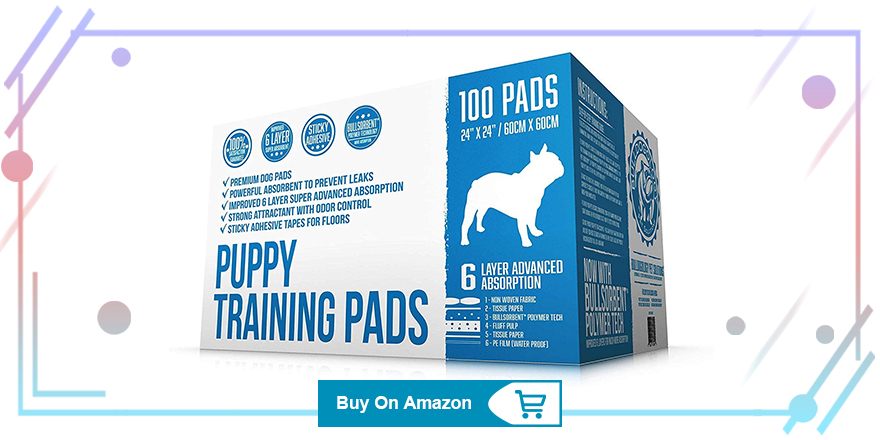
Are you looking for premium pee pads for dogs? Then these by Bulldogology are worth considering. They have sticky adhesive tape to prevent the dog from pushing the pads away or the pad from moving unnecessarily.
It features 6-layer premium absorption that has Polymer Tech. The technology facilitates instant absorption and turns the absorbed liquid into gel. They measure 24-inch by 24-inch and come in counts of 50, 100, and 150.
These Bulldogology pee pads have a built-in attractant that trains the dog to use the pee pads. Therefore, they are ideal for use even when you are not at home. In addition, they have odor control features that keep the pee-related smell away.
Bulldogology Premium Adhesive Sticky Tape pads are an excellent choice for housebreak training of your dog and give you total value for the money. Speaking of money, this brand has so much trust in these dog potty pads that they offer you a 110% money-back guarantee if you are not happy with the pads.
- They instantly turn liquid into gel.
- The adhesive tape prevents messes.
- It has an odor control feature.
- It has 6 layers for better absorption.
- Their size is not ideal for bigger dog breeds.
Best Odor Control: Simple Solution Training Premium Dog Pee Pads
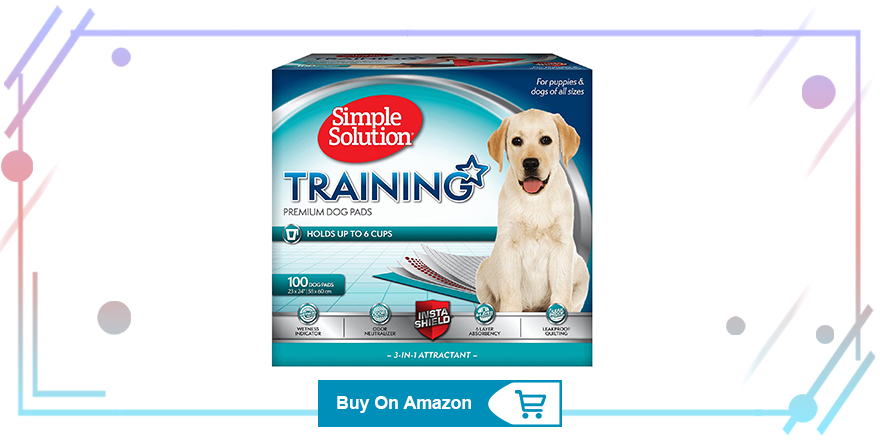
Living with a new dog isn’t always easy; Simple Solution Training pee pads for dogs are made to make your experience better. Measuring 23″ x 24″, they are 6-layered and come with InstaShield Tech, making the pads hold up to 6 cups of liquid. Thus, the dog can make multiple pee visits before you need to dispose of the pad.
The powerful built-in 3-in-1 attractant entices the dog making housebreaking and potty training more effective. These extra large dog pads are more effective compared to the standard ones. They come in counts of either 50 or 100.
Advanced polymer technology of these pads incorporates an absorbent core that aligns the liquid preventing leaks and tracking. The core also has an odor neutralizer to keep your environment clear of the smell associated with urine.
What’s more? They have a wetness indicator that turns teal when the pee pad is full. At a single glance, you can tell that it’s time to change the pee pads. The pad layering also gives leak protection.
- Have an impressive 6 cups of liquid capacity.
- Give leave protection.
- Features advanced polymer technology.
- Have a wetness indicator.
- They are unscented.
Best Quilted: OUT! Ultimate Pro-Grip Dog Pads for Housetraining
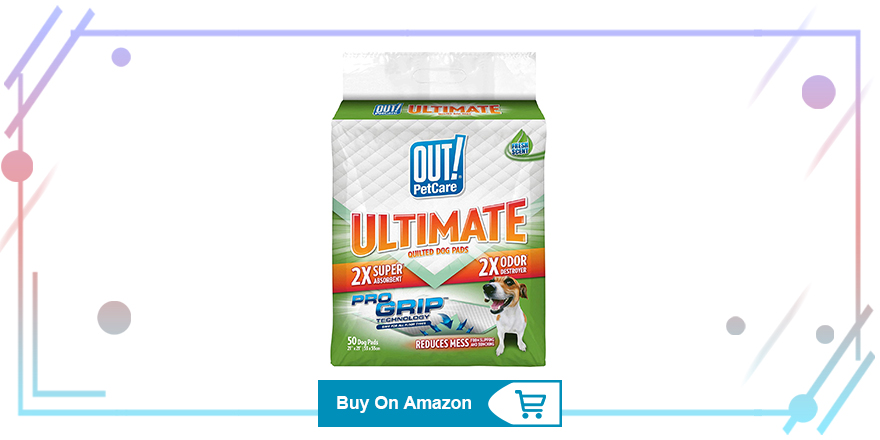
Next, we have the OUT! Ultimate Pro-Grip pee pads. Pro-Grip tech prevents the pad from slipping as well as bunching. This reduces messes around your house, which is the absolute peace of mind every pet owner needs.
The pads come in a 5-layer build. The quick-drying liner facilitates instant drying when the pet pees. Consequently, it prevents urine-soaked paws from being traced on your floors, sofas, and other parts the dog goes to.
It also comes with a moisture-locking core that is super absorbent. Further, it neutralizes urine, preventing the foul smell when the nitrogen in the urine reacts with other micro-organisms.
The tear-resistant top sheet also has a scent to neutralize odor further. Unlike normal absorbent materials, this tear-resistant layer does not shred into bits when soaked.
OUT! Ultimate Pro-Grip top panel and bottom layering make the pee pads leak-proof. They measure 21″ x 21″ and come in 50 counts.
- It comes with a quick-drying liner.
- It has a tear-resistant sheet.
- These pads are leak-proof.
- They are not available in a variety of scents.
Best Unscented: Hartz Home Protection Unscented Dog Pads
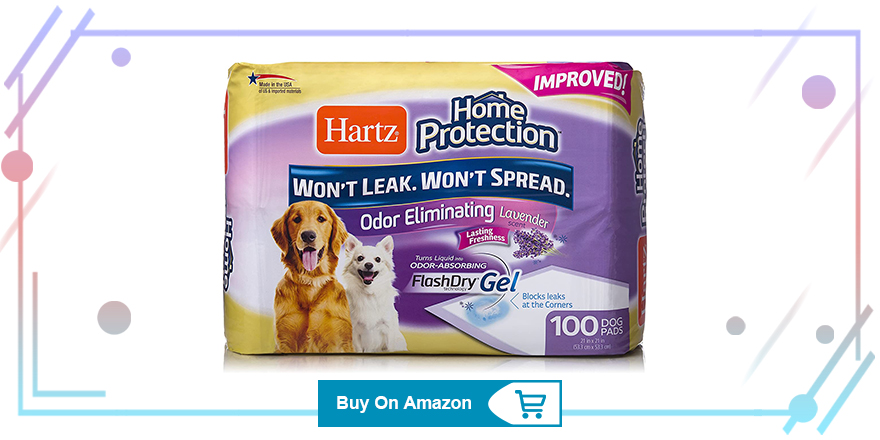
With the Hartz Home Unscented Gel Dog Pads, you can be sure to keep your home dry and urine smell-free.
The product is constructed with Flash dry technology which locks in any form of moisture to eliminate leaking. The technology turns any liquid into gel to lock in any moisture and foul smell.
The Hartz Home dog pads boast superior absorption, thanks to the 6-layer construction that allows for multiple uses per pad.
The puppy pee pad creates smaller urine spots and can be used by multiple dogs. They are great for everyday use because your dog finds a fresh clean spot to pee every time.
Besides, this product features leak-proof plastic covering all the corners to ensure that your pup’s messes are safely contained in the pad.
In addition, the plastic backing reduces sliding. The pad comes with a lavender scent that should keep your house smelling clean.
- Unique dry technology.
- It has a plastic backing to avoid leaks.
- Perfect for puppy training, potty training, and senior dogs.
- It comes with a lavender scent to eliminate odors.
- They are relatively larger.
- Not every drop of the liquid turns to gel.
Best for Large Dogs: Four Paws Wee-Wee Pee Pads for Dogs
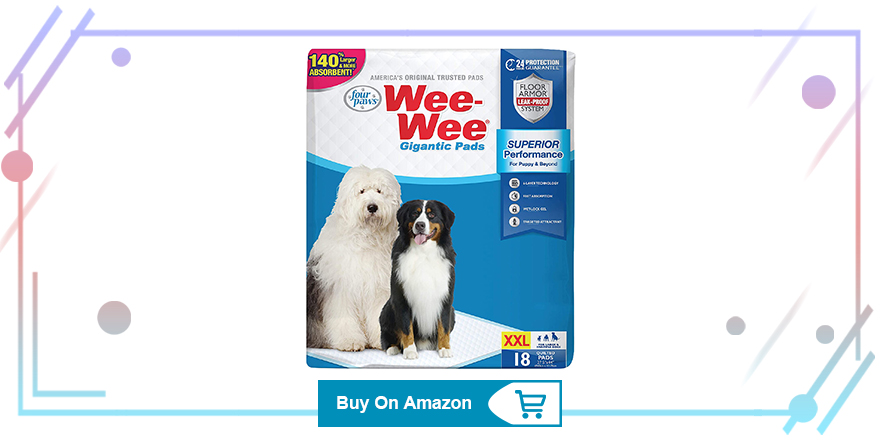
Prevent any potty training accidents for small and large dogs with the Four Paws Wee-Wee Gigantic Pads. Featuring a dimension of 27.5 x 44 inches, these pads are 140% large than the average pads to provide practical training for your dogs without letting anything go amiss.
Moreover, they are constructed using a 5-layer leak-proof technology that locks in any moisture for unparalleled floor protection. There is also a tear-resistant top layer and an absorbent polymer to convert the puppy’s liquid to gel, guaranteeing 24-hour protection. There’s also a built-in attractant that will continuously draw your dog to the pad and make training easier.
- 140% larger than standard pads.
- It comes with a 5-layer-proof technology to keep your floor dry.
- Features 2 wet-lock layers for faster absorption.
- Targeted attractants continuously draw your pet to the pad to ease potty training.
- Perfect for all dog sizes.
- Reports that pads may leak.
Buyer’s Guide: Things to consider when choosing Dog Pee Pads for Potty Training
Picking the right pee pads for your pup is almost similar to picking your baby’s diapers. The market offers hundreds of them, and they look exactly the same. To narrow down your choice, here are the things to look for when buying pee pads for your dog.
Quick Drying Surface
A vital consideration in a pee pad is how quickly it dries. Go for ones that absorb in an instant to minimize wet and urine-soaked paws from getting imprinted onto the floor. The last thing you want is to see your pup’s steps on your floor all the way from the pee pad.
Leak-Proof
Apart from absorbing the pee fast, the pee pad should have a bottom panel that’s constructed with a waterproof layer such as plastic to eliminate any seepage to your floor. Some pee pad brands use perimeter channels to hold moisture within the pad, making them further leak-proof.
Absorbent Capacity
A pee pad can be highly absorbent but how much can it hold? If the pad can’t hold it all in, it’s as good as an old rug. To determine the amount of absorbency, check the combination of the layers and materials. You could check how many polymer layers have been used within the pad – the more, the better.
Tear-Resistant
An issue with most pee pads is they easily get shredded into bits once soaked. Some products are designed with ordinary materials that get shredded as quickly as tissue paper. Choose ones that have been constructed with durable yet highly absorbent materials to withstand shredding, especially when soaked in urine.
Odor Neutralization
Urine is not foul-smelling. It’s the nitrogen in it that reacts with air and other microorganisms to cause a bad smell. Fortunately, many products nowadays have an odor control neutralizer that beats the unpleasant smell. Go for products with natural deodorizers, such as baking soda.
Those who require fragrances can search for products that have essential oils included. It’s recommended to choose one with a faint odor so your puppy does not feel uncomfortable about the pad.
Wetness Indicator
Another essential feature to consider in a pee pad is knowing when it reaches its maximum absorbing capacity. Many pee pads have this feature. The same wetness indicator technology applied in most baby diapers is used in pee pads these days to help you know when it’s time for a change. This also prevents further messes.
Built-in Attractant
If this is your first time looking for peed pads for your dog, you might need some sort of attraction to make your dog use them. Training will be needed the first few times, but it should be much easier with attractants. Look for pee pads with natural attractants inside to entice your dog to use the pee pad.
With these points in mind, you should be able to pick the right pee pads for your dog.
How to Properly Use a Dog Pee Pad
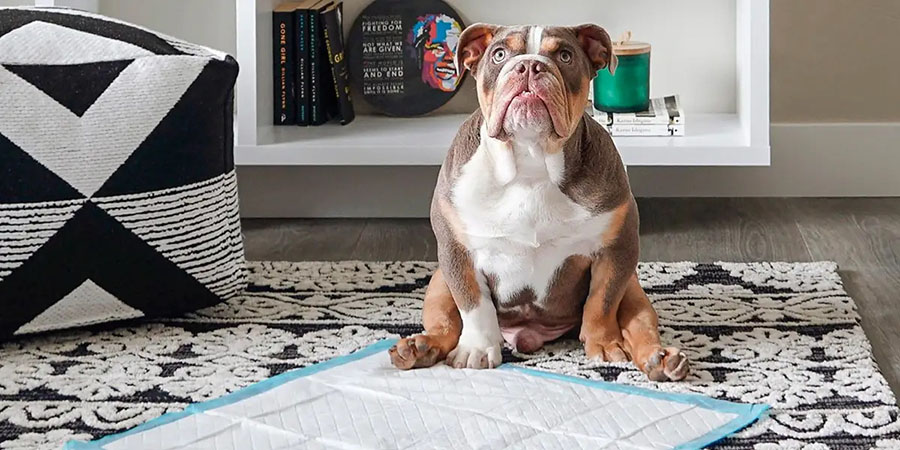
Whether you just adopted a new pup or looking to make it easier for your older dog, training it how to use the pee pad should be easy. Depending on the age, breed, and personal preferences, pee pad training can take a while.
Follow the steps below:
1. Wait for the time your pet wants to pee and bring it quickly to the pee pad. You can place the dog on this pad a few times every day, ideally every 2-3 hours.
2. As soon as they start using it, repeat a verbal cue that they can associate with it. You could go for something simple such as “go potty” to guide the dog later should it get confused.
3. Congratulate your pet every time they do it properly to spark joy in them. You can go ahead and use a small treat, hugs, or even playtime to reinforce the good behavior and encourage your dog to keep it up.
Keep in mind that there’s a learning curve when using the pads. If the pup rushes to the bathroom elsewhere besides the pad, you have to bring them back quickly as you repeat your verbal cues. Avoid yelling as it might teach your dog to hide evidence. Again, once they use the pad, ensure you praise them.
How Do I Train My Dog to Use Dog Pee Pads?
Teaching your pet to use the pee pad is just like any other dog training. It involves introducing the dog to the pad.
The first thing to understand is that most dogs take about 15 minutes after a meal to urinate.
At around this time, confine them to the pad area on a leash without any distractions for about 5 minutes.
Note that you do this whether they want to pee or not. When he starts thinking about relieving himself, repeat your word of encouragement as you take him to the pad.
Ensure to stick to a schedule to make accidents less of an issue. The more you practice, the faster they learn.
If they try to pee somewhere else, take them back and issue verbal cues.
By the time he has mastered urinating on the pad, you can now move the pee pad near the door. This will teach them to go to the door.
Eventually, you will take the pee pad from the door and move it outside.
How Often Do I Need To Change Pee Pads
It depends on dog size, personality patterns, environment, budget, etc. Large dogs trained to use pee pads are likely to go when they have to. Therefore two or three uses will drench the pad and might need to be replaced.
However, for smaller dogs who only leave an ounce or two of liquid, the pad can last for a day and sometimes more.
If your pup poops on the pad, it might need to be changed as soon as possible to avoid the smell. Well, if the droppings are hard enough, it’s possible to scoop and throw them down the toilet. However, if the stool is soft and runny, you might have to throw the whole pad away for hygiene reasons.
Pros and Cons of Dog Training Pads
Pros
- They are cleaner than litter or puppy boxes.
- They absorb urine quickly without exposing your floor and furniture.
- The pee pads are comfortable and convenient for dogs with health issues.
- Most contain an odor eliminator that keeps your house smelling clean.
- They make potty training easier by encouraging the puppy to pot in the right place.
- They are convenient when your pup cannot go outside regularly.
- Makes easy cleanup.
Cons
- These puppy training pads can make owners lazy.
- They can be costly in the long term.
- They can make the housebreaking process difficult because the puppy thinks it’s not a problem to go inside and pee.
Conclusion
Phew! Indeed, that was a lengthy read. It’s our hope that you have picked the perfect pee pads for your incontinent dogs or new puppies.
You can never go wrong with any of the above best pee pads for dogs! But we highly recommend you buy DEEP DEAR Extra Large Dog Pads, American Kennel Club (AKC) Dog Pee Pads, Bulldogology, and Four Paws Wee-Wee Pee Pads for Dogs. Because they are the best pee pads for the money.

